Skip to content

The author

Spencer Wolf

I write science fiction driven by real emotion, true-to-life characters, and a bold, dynamic plot.

Spencer Wolf, author of After Mind, is a software manager and award-winning author. Many years ago, he fell in love with AI, future worlds, and living a lot longer than humans are supposed to after reading the adapted screenplay for Blade Runner from Do Androids Dream of Electric Sheep? Spencer was a key member of the creative advertising team at Paramount Studios, serving as Interim Executive Director and working closely with senior management on dozens of feature-film campaigns. He has worked in data center design, converted jet engines to ground based power plants, and has swung a sledgehammer on construction sites. In his summation, humans need more life to pursue all their dreams. Spencer earned his MBA from UCLA and his Bachelor of Science degree in Mechanical and Aerospace Engineering from Cornell University. He also spent one incredible year at the University of Sydney in Australia. Spencer currently lives in Minnesota with his wife, whom he met on travels in Austria, and his two children. An excerpt of Spencer’s debut novel After Mind, entitled Technology Makes Two, was published in Calliope Magazine in 2014 and won third place in the magazine’s 20th annual fiction contest. He writes characters from the heart and is right now hard at work on his next Science Fiction novel.

One hour with Socrates (Nikola Danaylov) on Singularity Weblog — science fiction, life extension, the Enhanced Inversion Test, and the stories that shape who we are.

Open on YouTube
  • Cornell University · B.S. Mechanical & Aerospace Engineering
  • University of Sydney · visiting year
  • UCLA Anderson · MBA
  • Paramount Pictures · feature-film advertising
  • Minnesota
An empty, barricaded cobblestone street in historic Naples.

BentStrong · other work

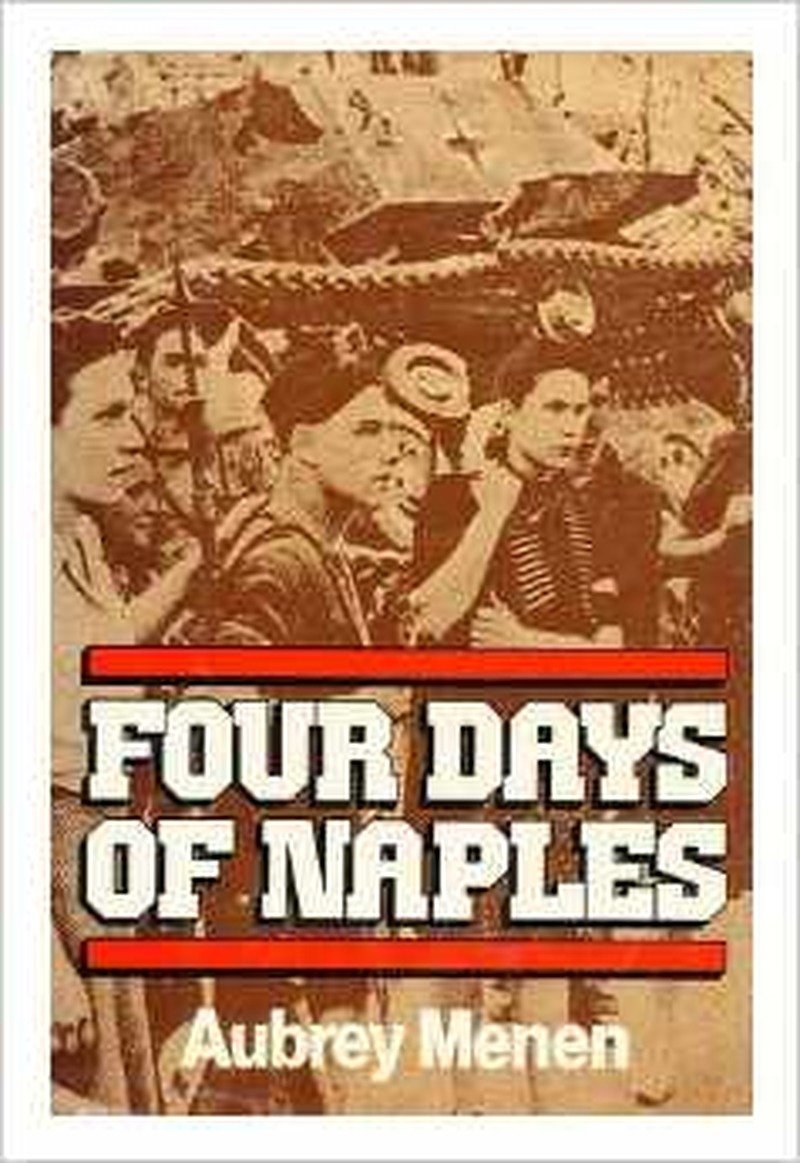
Four Days of Naples by Aubrey Menen — a wartime street photograph with the title in a red bar.

Four Days of Naples

Aubrey Menen · Audio book produced by Spencer Wolf

When I was twelve, my English teacher said I wasn’t reading enough. She brought me to the school library and made me pick a book. I saw one paperback cover on the turning rack that looked like it was worth a shot. So I took it. It was an amazing story! I optioned the rights to the book from the author, Aubrey Menen’s, estate and turned this version of Four Days of Naples into a screenplay. My script did amazingly well in a tough-as-nails writing competition by placing in the top 94 out of over 4,100 entries. I was thrilled. I was a writer. I eventually produced the audio book version.

From the back cover

In September 1943, Naples lay devastated by incessant bombardment from Allied planes. The city, under an iron occupation by the Germans, was without food. During the bombardment, the famed scugnizzi, the street boys, of Naples grew increasingly exasperated by the passiveness of their elders. Known for their daring, verve, and enterprise, the boys staged an incredible revolt against the Germans on September 28, 1943. Dragging furniture into the roadways, they built barricades and shot at the enemy with stolen guns, inspiring many adults and Italian army deserters to join their ranks. Three days and hundreds of deaths later, the Germans left the city for good. Author Aubrey Menen, who heard the story of those historic four days from the scugnizzi themselves in 1948, here recreates the battle street by street, house by house.

PS: The four boys written about in the book, who were each awarded the Gold Medal of Honor, were only 18, 17, 13, and 12 years old.

Audio book on Amazon

On BookDNA

Five books for the road ahead
On BookDNA I was invited to list favorite science fiction about survival that even non-sci-fi fans will love. My favorite books are a mix of classics, scientific, and recent thrills. They are relatable, underdog personal stories of survival and how we fit into our world — which I think match well with After Mind. Many years ago, after reading the adapted screenplay for Blade Runner from Do Androids Dream of Electric Sheep?, I fell in love with the idea of living a lot longer than humans are supposed to. I hope you enjoy these books for our road ahead. We’re on a lifelong journey and there’s a long way to go.
  • Andy Weir

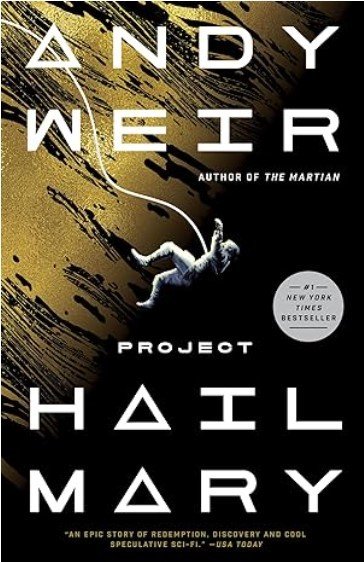
    Project Hail Mary

    The protagonist waking up at the beginning reminded me of how I started After Mind. I was hooked as Ryland uses science to figure out who he is. Most of all, I loved the crisp writing and how only two incredible characters with the will to live can lead an entire book. Get the characters right, and the rest will follow.

    On Amazon
  • Pierce Brown

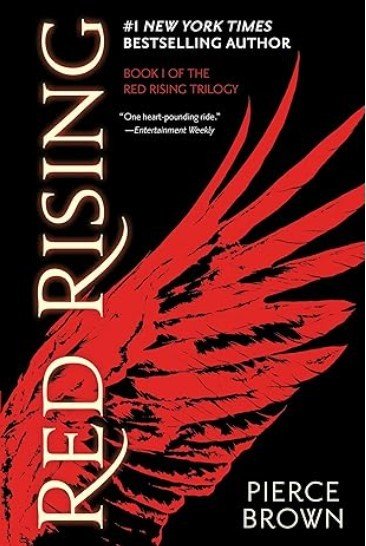
    Red Rising

    There’s a single sentence on the first page that bridges sci-fi with human emotion so strikingly I had to stop and say out loud, “If I were a publisher, I would buy this book right here.” I read it not only as a sci-fi story, but as a tale of real personal drama.

    On Amazon
  • Kurt Vonnegut

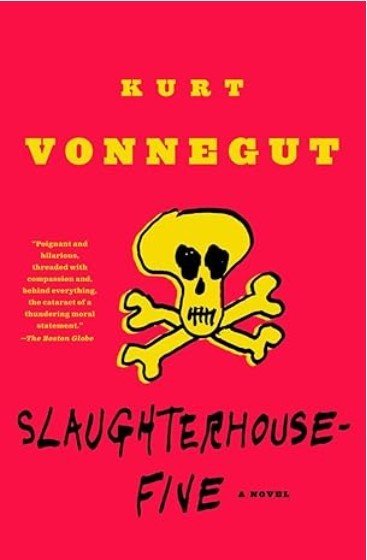
    Slaughterhouse-Five

    The blending of grim reality with science fiction elevates it above a single anti-war genre. I was intrigued by the idea of reliving any moment of your life as non-linear events. Foreshadowing and free will are strong undertones. A lifetime’s worth of reality and imagination can be pieced together in strange and wonderful ways.

    On Amazon
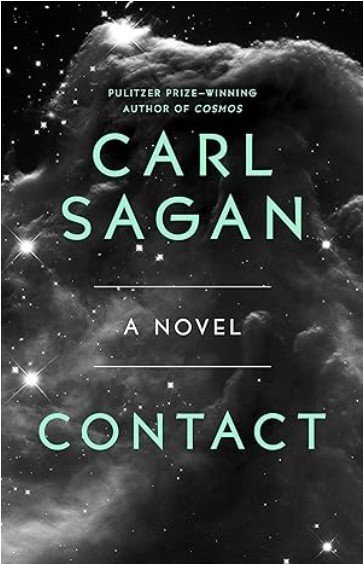
  • Carl Sagan

    Contact

    What’s often overlooked: the contact being made is not only with life beyond Earth but also with those people most dear to us who we’ve loved and lost. This longing to reconnect fits perfectly with survival — not only for oneself, but for the memories of others.

    On Amazon
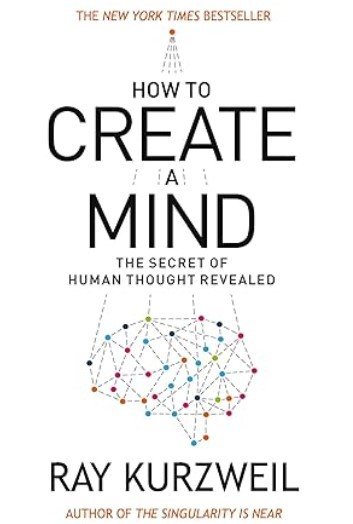
  • Ray Kurzweil

    How to Create a Mind

    Powerful computers are essential to solving human longevity. So I ask: what if those computers need to be partly human themselves? Whether fictional or real, this is a survival story that will leave even non-sci-fi fans with a lot to consider.

    On Amazon
The full list on BookDNA

An essay

These beings will be our children

AI psychology as child psychology — the argument that sits under After Mind.

Read the essay

Press, rights, readers.

A short note is enough.

Contact